
Epidural Procedures


Your Complete Guide to Epidural Procedures
Epidural procedures are minimally invasive treatments that deliver targeted pain relief by administering medication directly around the spinal nerves. These procedures are commonly used for managing chronic pain and inflammation caused by various spinal conditions.
Key Benefits of a Epidural Procedures
1. What are Epidural Procedures?
Description:
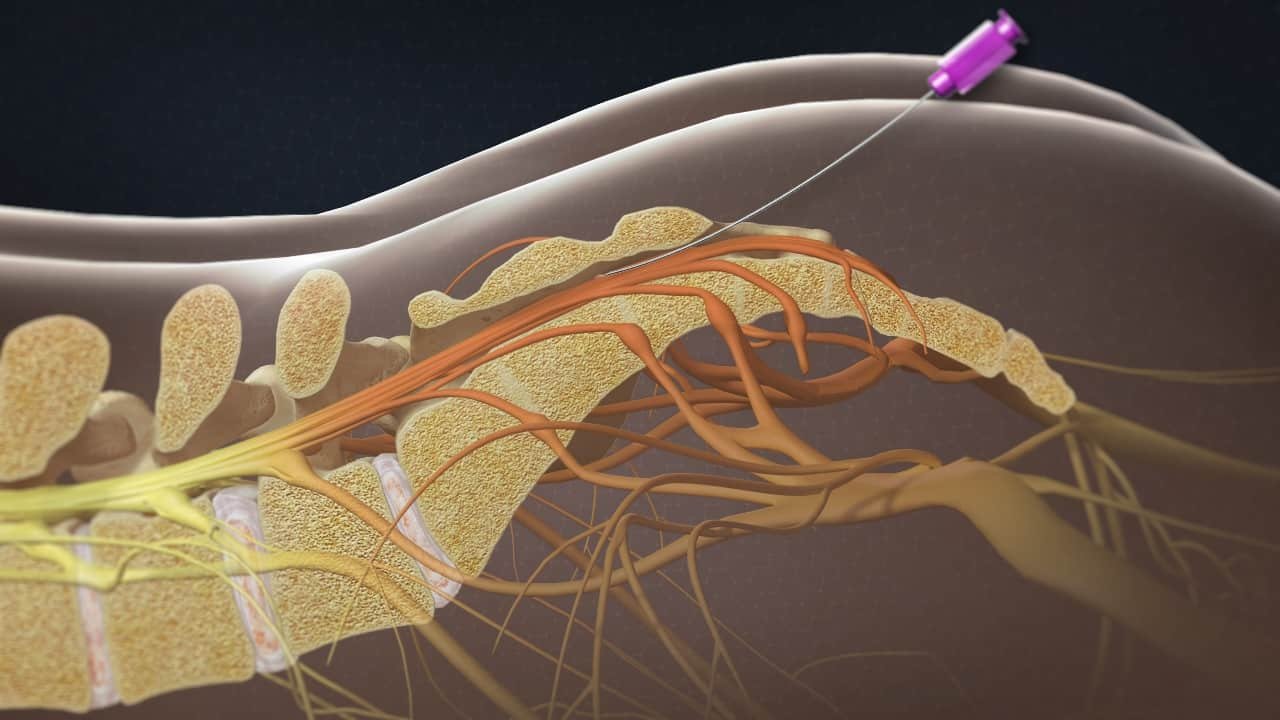
Epidural procedures involve injecting medications into the epidural space around the spinal cord to reduce pain and inflammation.
- How It Works: Medications such as corticosteroids and local anesthetics are delivered to the source of the pain.
- Common Applications: Effective for conditions like herniated discs, sciatica, and spinal stenosis.
- Non-Surgical Relief: An excellent alternative for patients seeking non-surgical pain management options.
2. Benefits of Epidural Procedures
Description:
Epidural procedures provide a host of benefits for patients with chronic pain.
- Targeted Pain Relief: Medication is delivered directly to the pain source for maximum effectiveness.
- Minimally Invasive: Performed without the need for major surgery.
- Quick Recovery: Most patients resume normal activities within a day or two.
- Reduced Dependence on Medications: Decreases the need for systemic pain relievers like opioids.
- Improved Quality of Life: Helps patients regain mobility and participate in daily activities.
3. Conditions Treated with Epidural Procedures
Description:
Epidural procedures are effective for managing a variety of conditions, including:
- Herniated or Bulging Discs: Relieves nerve compression caused by disc problems.
- Sciatica: Reduces pain radiating down the legs due to nerve irritation.
- Spinal Stenosis: Alleviates inflammation and pressure on spinal nerves.
- Degenerative Disc Disease: Provides relief for chronic back and neck pain.
- Post-Surgical Pain: Helps manage residual pain after spine surgeries.
4. What to Expect During an Epidural Procedure
Description:
Epidural procedures are quick and relatively painless, with a straightforward recovery process.
- Preparation: Local anesthesia is applied to numb the area.
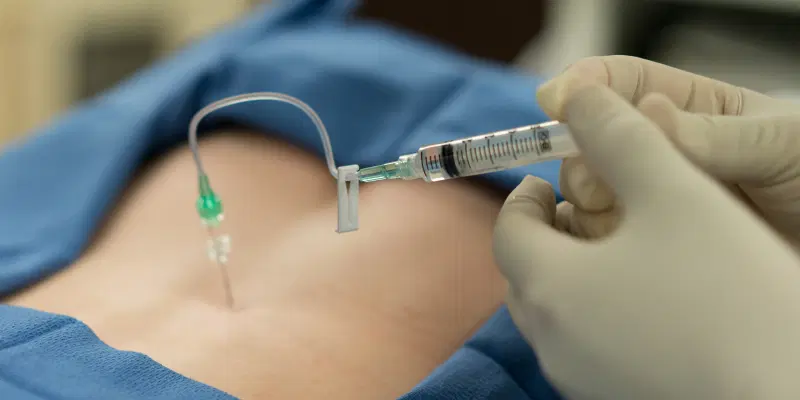
- Procedure: A thin needle is inserted into the epidural space under imaging guidance.
- Medication Delivery: Corticosteroids and anesthetics are injected to reduce pain and inflammation.
- Recovery: Patients typically rest for a short period and can resume normal activities within a day.
FAQS
Everything you need to know about Epidural Procedures
What is an epidural procedure used for?
Epidural procedures are used to treat chronic pain caused by conditions like herniated discs, sciatica, and spinal stenosis.
How long does the pain relief last after an epidural procedure?
Relief can last from weeks to months, depending on the condition and patient response.
Yes, epidural procedures are generally safe and have a low risk of complications when performed by experienced specialists.
Is the epidural procedure painful?
Most patients experience minimal discomfort during the procedure due to the use of local anesthesia.
How many epidural procedures will I need?
The number of procedures varies depending on the individual and their condition. Some patients benefit from a single injection, while others may require a series of treatments.
Our Services
-
Spinal Cord Stimulator
-
Vertebro Plasty
-
Radio Frequency Ablation
-
Epidural Procedures
-
Joint Interventions
-
Ozone Discectomy
-
Endoscopic Discectomy
-
Joint Replacement
-
Intrathecal Pump
Working Hours
- Monday To Saturday 8am – 7pm
- Sunday Closed
We always take care of your smile
24/7 Emergency
(+91) 8826469876