

Joint Interventions


Comprehensive Guide to Joint Interventions for Pain Relief
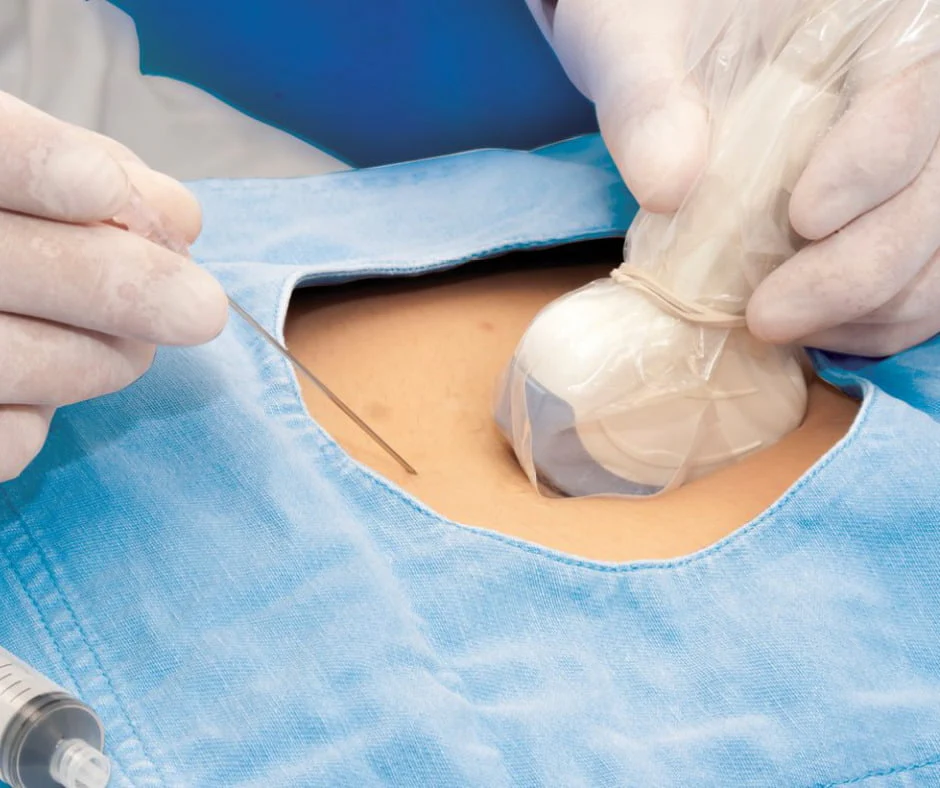
Joint interventions are minimally invasive procedures designed to diagnose and treat joint-related pain. These treatments provide targeted relief, improve mobility, and are often used as alternatives to surgical options.
Key Benefits of a Joint Interventions
1. What Are Joint Interventions?
Description:
Joint interventions are advanced procedures that aim to alleviate pain and inflammation in specific joints.
- Purpose: To manage pain and restore joint function.
- Types of Interventions: Includes injections, nerve blocks, and regenerative therapies.
- Target Areas: Commonly performed on knees, hips, shoulders, and other weight-bearing or high-mobility joints.
2. Benefits of Joint Interventions
Description:
These procedures offer several advantages for patients dealing with joint pain.
- Minimally Invasive: Requires no major surgery and has a quick recovery time.
- Pain Relief: Effectively reduces chronic joint pain and stiffness.
- Improved Mobility: Enables better range of motion and function.
- Alternative to Surgery: Suitable for patients not ready for or unable to undergo joint replacement.
- Customizable Treatment: Tailored to individual pain sources and needs.
3. Conditions Treated with Joint Interventions
Description:
Joint interventions are used to address a wide range of joint-related conditions.
- Arthritis: Both osteoarthritis and rheumatoid arthritis.
- Bursitis: Reduces inflammation of the bursae in the joints.
- Tendinitis: Treats pain and swelling in tendons around joints.
- Joint Injuries: Relieves pain caused by trauma or overuse.
- Post-Surgical Pain: Helps manage residual joint discomfort after surgery.
4. Types of Joint Interventions
Description:
A variety of techniques are employed depending on the condition and severity.
- Corticosteroid Injections: Reduces inflammation and pain in joints.
- Viscosupplementation: Injections of hyaluronic acid to improve joint lubrication.
- Nerve Blocks: Targets specific nerves to interrupt pain signals.
- Regenerative Therapies: Platelet-Rich Plasma (PRP) or stem cell injections for tissue repair and regeneration.
- Radiofrequency Ablation (RFA): Uses heat to deactivate pain-causing nerves.
FAQS
Everything you need to know about Joint Interventions
What are joint interventions used for?
Joint interventions are used to manage chronic joint pain caused by conditions like arthritis, tendinitis, and injuries, as well as post-surgical discomfort.
Are joint interventions painful?
Most patients report minimal discomfort during the procedure due to the use of local anesthesia.
How long does it take to recover from a joint intervention?
Recovery is typically quick, with most patients resuming normal activities within a few days.
Are the effects of joint interventions permanent?
The duration of relief varies depending on the condition and treatment type, lasting from months to over a year in some cases.
Who is a good candidate for joint interventions?
Individuals with chronic joint pain who have not found relief with medications or physical therapy, and those seeking non-surgical options, are ideal candidates.
Our Services
-
Spinal Cord Stimulator
-
Vertebro Plasty
-
Radio Frequency Ablation
-
Epidural Procedures
-
Joint Interventions
-
Chronic Pain Management
-
Orofacial Pain Management
Working Hours
- Monday To Saturday 8am – 7pm
- Sunday Closed
We always take care of your smile
24/7 Emergency
(+91) 8826469876